
Field recording is one of the most meditative and technically demanding forms of audio capture. Unlike studio recording where you control every variable, field recording means working with whatever the environment gives you. A recording session that took three hours of setup might capture forty-five minutes of extraordinary material—or nothing usable at all. Learning to read environments, anticipate sounds, and work efficiently while maintaining technical standards takes years to develop. This guide covers the fundamentals I've learned over fifteen years of environmental recording.
The best field recordings feel like transporting the listener to the original location. When someone hears a rainforest recording done well, they should be able to close their eyes and imagine the humidity, the insects, the distant calls. This doesn't happen by accident—it requires understanding how microphones capture space, how to minimize self-noise, and how to work with natural sound patterns rather than fighting them.
Understanding Sound in Natural Environments
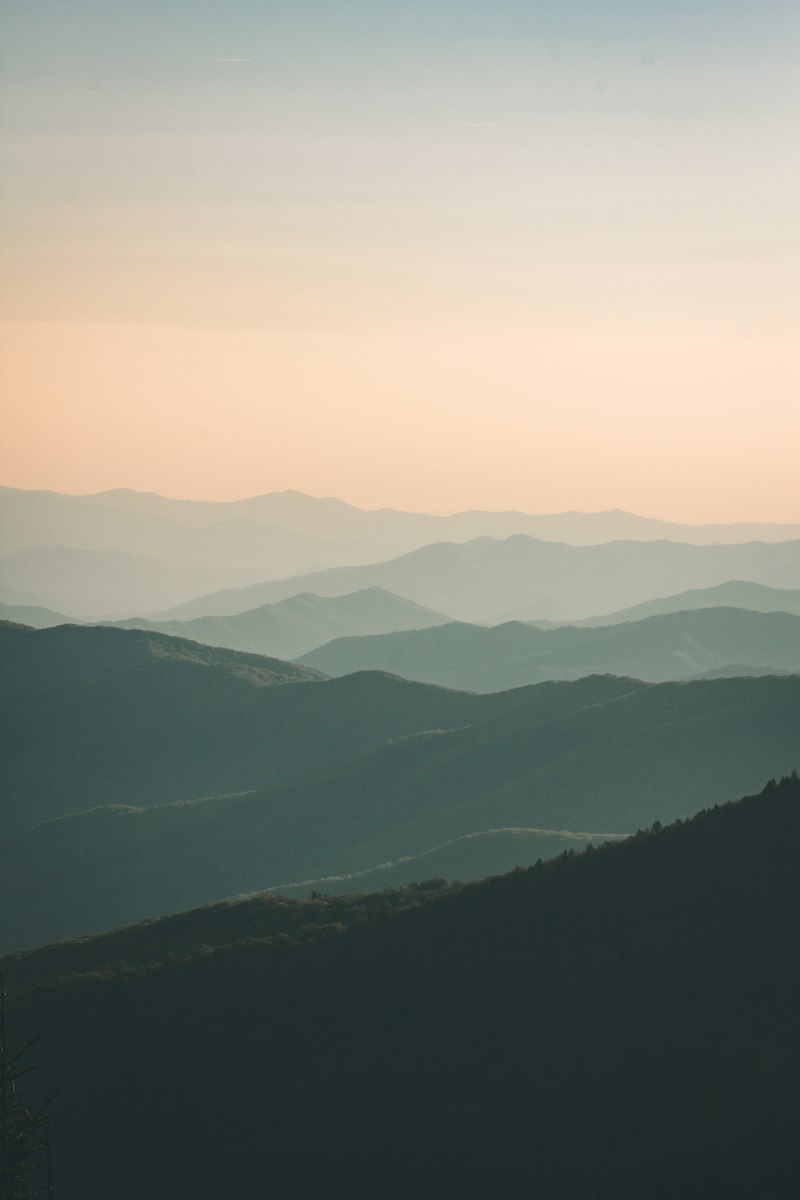
Natural environments have their own acoustic signatures and rhythms. Bird songs follow predictable patterns tied to time of day and season. Water sounds vary with wind, rainfall, and the specific water body. Even the ambient noise floor changes dramatically between dawn and midday, between dry seasons and wet. Successful field recording means understanding these patterns and positioning yourself to capture them.
Use our Storage Planner to ensure you have enough recording media for extended field sessions. High-quality field recordings often run for hours to capture natural sound cycles.
Microphone Techniques for Environmental Recording
The stereo technique you choose fundamentally shapes how the recording presents space. XY coincident pairs create an image that feels "in your head" with limited depth. AB pairs with wide spacing create a sense of vast space but can have phase issues when summed to mono. MS (mid-side) offers the most flexibility for adjusting stereo width in post-production, making it excellent for unpredictable environments where you don't know until later how the recording will be used.